Damara Mole-Rat: A Study of the Species and Its Habitat
The Damara mole-rat, a unique species of African fauna, sparks interest due to its peculiar behavior and threatened habitat. Studying this creature is vital for understanding the ecological balance of its environment.
Physical Characteristics of the Damara Mole-Rat
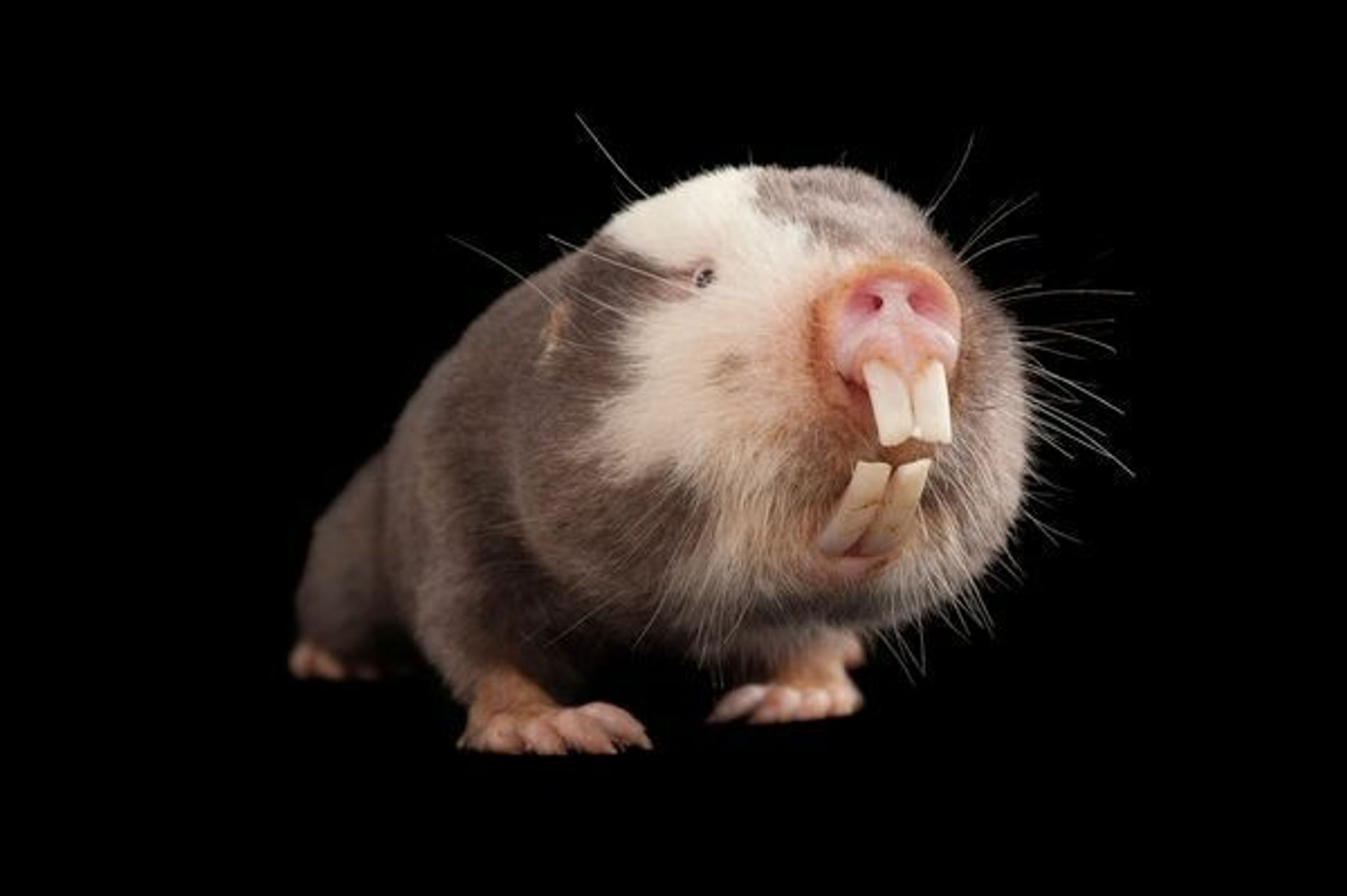
In the vibrant echo of Namibia’s desert, we find a fascinating creature: the Damara mole-rat. This small mammal, which inhabits the aridity of the region, is a masterpiece of adaptation. Its compact body, measuring about 10 to 14 centimeters in length, is balanced for a subterranean lifestyle, allowing it to move with agility in its complex network of tunnels.
Size and Coloration
The Damara mole-rat has fur that varies in shades from brown to gray, effectively camouflaging it against the arid soil. This coloration not only hides it from predators but also helps regulate its body temperature. Its small, rounded ears are almost imperceptible, an adaptation that minimizes heat loss. Furthermore, its eyes are small, indicating that much of its life occurs beneath the soil’s surface, away from the intense desert light.
Structural Adaptations
Among its notable features, the powerful limbs of the Damara mole-rat stand out. They are adapted for digging, enabling the creation of burrows that provide shelter and protection against extreme conditions. Its sharp claws facilitate tunnel construction, where it forages for food and creates a safe home. This digging ability also helps it access roots and tubers, essential for its diet in the arid habitat.
In summary, every physical aspect of the Damara mole-rat is a meticulous preparation for a challenging environment. As we explore its nocturnal life more deeply, we will understand how these attributes shape its interactions and survival in the vast desert.
Behavior and Habits
The serenity of the night is the stage where the Damara mole-rat transforms. As the sun sets, this intriguing inhabitant of the earth brings life to the labyrinthine tunnel it has carefully constructed. With a body adapted for digging and a curious gaze, it emerges from the darkness of its subterranean shelter in search of food and social interaction.
Nocturnal Habits and Feeding
The Damara mole-rat is essentially a nocturnal animal. Its main activities occur under the transcendence of the moon. This nocturnal behavior is not mere chance; it is a strategy to avoid predators. However, this darkness also favors its foraging. The diet of the Damara mole-rat is extensive, including roots, tubers, and other vegetation. Using its keen sense of smell, it locates food sources that are largely hidden from view during the day.
Social Interactions and Environmental Influence
In addition to its search for food, the Damara mole-rat maintains intriguing social interactions. They are known to live in colonies, occasionally sharing underground pathways. Interactions among colony members are marked by touches and whispered calls, revealing a complex social network that contrasts with its solitary appearance. The environment plays a crucial role, as soil quality and vegetation availability directly influence their digging routes and social interactions. This connection to the habitat highlights the importance of preserving the natural conditions that sustain this animal’s life. Thus, every element of this ecosystem, from the soil to the roots, intertwines in the existence of the mole-rat.
In summary, as we explore the nocturnal life and social habits of the Damara mole-rat, we find a rich narrative that links its survival to the balance of its environment. What follows will lead us to understand even more deeply the ecological role of this fascinating species in its habitat, as well as the relevance of its preservation.
Ecology and Importance of the Habitat
In the wild expanse of Namibia, a small protagonist carves its own destiny in an underground world. The Damara mole-rat, with its singular behavior and fascinating adaptations, plays a crucial ecological role in its habitat. Through its digging activities, this species not only shapes the soil but also promotes the circulation of water and nutrients, impacting the entire biological community around it.
Influence on Ecosystems
Through its incessant search for food, the Damara mole-rat helps aerate the soil, favoring the growth of various plants. Thus, its role in the dynamics of ecosystems is undeniable. Moreover, by creating tunnels, it facilitates the movement of other organisms, resulting in a network of fundamental interactions. This exchange between species is not only vital for the well-being of the habitat but also ensures biodiversity, essential for resilient systems.
Importance of Preservation
The preservation of the Damara mole-rat’s habitat is, therefore, imperative. By maintaining healthy soils and promoting biodiversity, we contribute to a balanced ecosystem. Less diversity means not only the loss of a fascinating species but also the weakening of an entire web of life. Awareness and action, as seen in conservation projects, are crucial to ensure that the Damara mole-rat and its kin continue to thrive in this precious habitat. With this clear understanding of its importance, we prepare to explore the challenges threatening this species and the necessary initiatives for its conservation.
Threats and Conservation
In a world where biodiversity loss becomes increasingly alarming, the Damara mole-rat stands out as a symbol of the fragility of underground life. With its habitat limited to the savannas of Namibia, this small rodent faces a bleak future, filled with threats that could lead it to extinction. This situation is severe not only for the Damara mole-rat but also for the ecosystem it represents.
Direct Threats
The main threats facing the Damara mole-rat include habitat degradation caused by agricultural expansion and uncontrolled urbanization. As native forests are cleared to make way for plantations, the underground tunnels that support this species become increasingly rare. Additionally, the introduction of invasive predators, such as cats and domestic dogs, further exacerbates its vulnerability. These pressures not only directly reduce its population but also destroy the resources that sustain its survival.
Conservation Efforts
In response to these threats, various conservation initiatives have emerged in the region. Local and international organizations are working on projects to restore habitats, implement sustainable agricultural practices, and educate communities about the importance of the Damara mole-rat. Active community participation is crucial in this process. Conservation incentive programs can encourage practices that respect ecological balance and promote the preservation of this fascinating rodent. Awareness is key to ensuring that the Damara mole-rat continues to thrive in its natural habitat.
Therefore, as threats to the Damara mole-rat intensify, the union of local and global efforts sketches a path for regeneration. With awareness and action, we can protect not only this species but also the rich tapestry of life it inhabits. As we explore the future of the Damara mole-rat, we will consider how climate change and human action will shape its prospects.
Future of the Damara Mole-Rat
As the world faces unprecedented challenges, the future of the Damara mole-rat becomes a question not only of biodiversity but of survival. Habitat degradation, resulting from human expansion and climate change, puts pressure on this intriguing species, known for its ability to dig intricate tunnels beneath Namibia’s arid landscape.
Impacts of Climate Change
As temperatures rise and rainfall becomes less predictable, the availability of food and soil conditions for digging also change. Increased desertification may lead to a scarcity of essential resources, forcing these rodents to adapt or face extinction. Furthermore, climate changes may affect the mole-rat’s natural predators, disrupting the delicate ecological web in which this species is embedded. In summary, the future of the Damara mole-rat depends on the stability of the ecosystems in which it lives.
The Role of Scientific Research
In this context, scientific research plays a crucial role in the conservation of this vulnerable species. Detailed studies on its behavior, ecology, and genetics are fundamental to understanding its needs and developing effective conservation strategies. Preservation initiatives, which include the creation of ecological corridors, can ensure that the species continues to thrive. Thus, by promoting the understanding and protection of the Damara mole-rat’s habitat, we not only safeguard a species but also promote the health of the global ecosystem.
In this way, reflecting on the future of this remarkable rodent allows us to proactively oppose the threats it faces, ensuring that its excavations continue to tell the story of life beneath the earth in Namibia.
Conclusions…
The Damara mole-rat is more than a curiosity of nature; it plays a crucial role in the ecosystem where it lives. The preservation of its habitat is essential, not only for the survival of the species but also for the overall health of the environment. Protecting this singular creature means protecting a piece of the rich biodiversity of our planet. By sharing knowledge about the Damara mole-rat, we contribute to raising awareness about the importance of species conservation and their habitats, promoting a more sustainable future.
Did You Know?
What is the habitat of the Damara mole-rat?
The Damara mole-rat primarily inhabits areas of xerophytic vegetation and sandy soil, where it can make its burrows.
What distinguishes the Damara mole-rat from other rodent species?
This species is known for its subterranean behavior and unique adaptations for digging, as well as having specific morphological adaptations.
Is the Damara mole-rat threatened?
Yes, habitat degradation and climate change are threatening the Damara mole-rat, making its preservation essential.
What is the diet of the Damara mole-rat?
The Damara mole-rat primarily feeds on roots, tubers, and plant materials that it finds in its habitat.
How does the Damara mole-rat influence the ecosystem?
This species helps aerate the soil and disperse seeds, contributing to the health of the ecosystem where it lives.
Is it possible to observe the Damara mole-rat in the wild?
Yes, but they are more reclusive species and are more easily observed in protected areas and natural habitats.
What are the main predators of the Damara mole-rat?
The main predators include birds of prey, snakes, and carnivorous mammals that may hunt these smaller creatures.
How can I help in the conservation of the Damara mole-rat?
Supporting conservation initiatives and raising awareness about the importance of natural habitats are effective ways to help.