
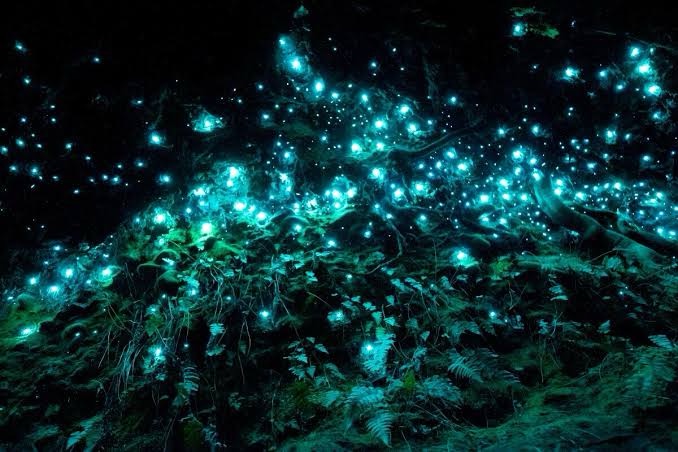
The Worms That Glow in the Dark: Mysticism and Science of Bioluminescence
Bioluminescence fascinates and inspires, revealing a hidden world in caves and forests. Explore these incredible creatures that illuminate the darkness.
The Magic of Natural Lights
Imagine a dark night, where light shines brightly beneath the surface of the water, but what causes it? The answer lies in the surprising bioluminescence. This fascinating phenomenon occurs in various organisms, including the remarkable worms that glow in the dark. Like small mysterious lanterns in the darkness, these worms reveal a world of beauty and complexity.
What is Bioluminescence?
Bioluminescence is the ability of certain organisms to emit visible light. This process occurs due to a chemical reaction involving a protein called luciferin and the enzyme luciferase. Therefore, when these substances combine in the presence of oxygen, light is released, often in a blue or green hue. Moreover, the light they emit can vary in intensity and pattern, depending on the species. In fact, this ability is not exclusive to worms, but is observed in creatures as diverse as squids, fungi, and even some species of jellyfish.
The Importance of Light in Nature
The worms that glow in the dark play crucial roles in their ecosystems. They can attract prey, creating a dazzling spectacle that illuminates the dark depths of the oceans. They also serve as a warning to predators, indicating their toxicity. Additionally, bioluminescence can have a significant impact on mating behaviors, influencing the reproduction of various species. In short, the natural lights of these organisms are not just a visual show, but an essential element in the web of life. As we continue our exploration, we will delve into the fascinating strategies of bioluminescent worms, which use this ability cleverly to survive in hostile environments.
Worms and Their Survival Strategies
As we enter the mysterious world of bioluminescent worms, we are immediately captivated by a spectacle of dancing lights in the dark. These creatures, which inhabit intense marine depths or shadowy forests, use their luminous capabilities to ensure survival in often hostile environments. The light they emit is not just an aesthetic phenomenon; it is a powerful adaptive tool.
Attraction and Defense
Bioluminescence in worms is often used in two distinct fronts: attracting prey and defending against predators. For example, some worms of the genus Lumbricus emit intermittent lights that attract small insects, facilitating capture in their web. Others, like polychaete worms, use light to confuse predators, creating a visual effect that makes them less identifiable in the darkness.
Habitat Curiosities
The stunning habitats of these organisms are as intriguing as their luminous abilities. They can be found in unique locations, such as humid caves and the ocean floor, where sunlight barely penetrates. Some species are adapted to extreme environments, like the icy waters of Antarctica, where bioluminescence plays a vital role in communication and mating. Interestingly, just like jumping spiders, which use light ingeniously, worms also reveal the evolutionary complexity of nature.
As we explore the luminous fury of bioluminescent worms, we are led to understand not only their survival strategies but also the importance of each organism in their ecological webs. This dance of lights prepares us for the next chapter, where we will discover the caves, fascinating and luminous ecosystems that harbor vast creatures.
Brilliant Caves: A Luminiferous Ecosystem
As we venture into the depths of the caves, a surprising spectacle reveals itself: a dance of lights amidst the darkness. In these hidden cavities, bioluminescent organisms paint the environment with a supernatural glow. From tiny insect larvae to mysterious fungi, bioluminescence has become a fascinating evolutionary adaptation, essential for survival in habitats where sunlight barely penetrates.
Intricate Interactions
Cave ecosystems are simple yet teeming with life. The beings that glow in the dark not only enchant but also play critical roles in this ecological network. For example, the larvae of Arachnocampa, known as glowworms, use their glow to attract prey. Simultaneously, bioluminescent fungi, such as Mycena chlorophos, collaborate in the decomposition cycle, recycling essential nutrients. Therefore, these interactions show how each organism, no matter how small, has its importance.
Environmental Challenges
Despite the indescribable beauty of these ecosystems, they face significant threats. Uncontrolled tourism and pollution are invisible adversaries that can harm the delicate harmony of the caves. Moreover, the exploitation of natural resources can exterminate species before they are even discovered. For us to appreciate the wonder of brilliant caves for many years to come, it is essential to promote their preservation. Only through a collective commitment can we protect these unique habitats, ensuring they continue to shine in the dark.
As we contemplate the beauty and complexity of these subterranean ecosystems, we are led to a new journey: the discovery of phosphorescent forests. The next chapter will reveal the hidden lights among the trees and the biodiversity they sustain.
Phosphorescent Forests: Light Among the Trees
Imagine walking beneath the dense canopies of tropical forests. As night approaches, an ethereal spectacle begins. Waves of shimmering light emerge, where tiny organisms reveal the hidden beauty of darkness. This is the fascinating world of bioluminescence: a dance of light particles that proves that even in darkness, life finds ways to shine.
Luminescent Biodiversity
In tropical forests, an incredible variety of living beings exhibit this supernatural phenomenon. From tiny bacteria to magnificent worms, the options are vast and diverse. Furthermore, many species of fungi are responsible for the vibrant colors that illuminate the forest floor. In an ecosystem filled with competition, bioluminescence serves as an evolutionary advantage. Often, these creatures attract mates or deter predators, creating a delicate balance among different forms of life.
The Ecological Role of Luminous Creatures
These organisms play vital roles in the food chain. Their light emissions, not only fascinating, also contribute to soil fertility. Thus, microorganisms that glow in the dark help degrade organic matter, enriching the environment. Consequently, this benefits plants and animals, showing that even the smallest creatures are powerful in their contributions. As we venture further into this realm of light and shadow, a warning echoes: the preservation of these habitats is essential. Nature needs our protection to continue revealing its mysteries and the beauty of bioluminescence. In the next chapter, we will explore how to preserve these enchanting environments and the scientific potential of bioluminescence for the future.
Future and Preservation of Bioluminescence
As the dancing lights of the worms that glow in the dark captivate our imagination, we must remember that their future is uncertain. These beings, which emit their hypnotizing luminosity, are not just wonders of nature but also indicators of the health of their habitats, which are threatened by human action. The loss of natural environments due to pollution, urbanization, and climate change can extinguish the glow of these fascinating organisms.
The Importance of Preservation
Preserving bioluminescent habitats is vital not only for the survival of worms but also for ecological balance. Conservation initiatives, such as the creation of protected areas and efforts to restore degraded ecosystems, are essential. These efforts help ensure that these organisms and their complex interactions with other species can continue. For example, bioluminescence is often used in pollination ecologies, attracting insects that, in turn, play a crucial role in plant reproduction.
The Scientific Potential of Bioluminescence
Beyond its beauty, bioluminescence holds immense scientific potential. Researchers have explored ways to apply bioluminescence in medicine, biotechnology, and even sustainable light technologies. The unique properties of glowing organisms may lead to new discoveries in diagnostics and treatments. One way to promote these studies is through raising awareness about the importance of protecting bioluminescence in nature.
Thus, efforts to conserve these extraordinary beings must be intensified. If each of us can contribute, even modestly, we will be helping to ensure that future generations can enjoy the iridescent spectacle of nature, just as we do today. As we conclude this chapter, we reflect on the connection between preserving this wonderfully illuminated world and practices of safety and respect for nature, which will be discussed next.
Conclusions…
Bioluminescence represents a unique combination of beauty and science. These organisms not only enchant observers but also play crucial ecosystem roles. By valuing and preserving these habitats, we contribute to a more sustainable and fascinating future. The light they emit symbolizes the connection between nature and human curiosity, inspiring new research and the protection of biodiversity.
Did You Know?
- What is bioluminescence? It is the production of light by living organisms, such as certain species of worms, fungi, and fish, through chemical reactions.
- What environments harbor bioluminescent organisms? Caves, tropical forests, and oceans are places where bioluminescence is often observed.
- How do bioluminescent worms affect the ecosystem? They attract prey, protect themselves from predators, and contribute to pollination, playing important roles in the food chain.
- Are there different types of bioluminescent worms? Yes, there are various species of glowing worms, each with unique bioluminescence characteristics.
- Can bioluminescence be seen during the day? Generally, bioluminescence is more visible at night; however, some organisms can be seen during the day under specific conditions.
- How does bioluminescence help organisms survive? It can be used for attracting prey, communication, defense against predators, and camouflage.
- Does bioluminescence have applications in modern science? Yes, it is used in medical research, tagging techniques, and environmental monitoring.
- How can I observe bioluminescent organisms? Visit regions known for their bioluminescence, such as specific caves or forest areas at night.