Saola: The Rare Asian Unicorn in Danger
The Saola, often referred to as the ‘Asian unicorn’, is a rare mammal that reflects the richness of biodiversity in Vietnam and Laos. Its discovery in 1992 brought hope for conservation, although it currently faces serious challenges.
The Discovery of the Saola: A Milestone in Zoology
The story of the Saola (Pseudoryx nghetinhensis) begins in an almost mythical setting, where the forests of Vietnam hide a creature so rare that, in 1992, its discovery astonished biologists and nature lovers alike. Thus, this animal, often called the ‘Asian unicorn’, emerged as a beacon highlighting the urgency of biodiversity preservation.
An Unexpected Discovery
The discovery of the Saola was accidental, a true stroke of luck in contemporary zoology. Research teams, while exploring the Annamite mountain regions, stumbled upon a pair of exotic horns. Initially, these horns left researchers intrigued. After further investigations, analyses revealed they were facing a completely new species to science. This revelation not only expanded our knowledge of Asian fauna but also underscored the importance of tropical forests as a home to still unknown beings.
Unique Characteristics and Symbolism
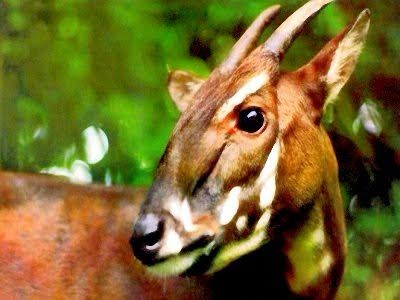
The Saola exhibits fascinating characteristics: long, straight horns, a slender body, and reddish-brown fur, allowing it to camouflage in dense vegetation. These physical aspects, combined with its rarity, make the Saola a powerful symbol of the fight for conservation. Furthermore, the creature alerts us to the fragility of its habitat, which faces enormous pressure due to rampant resource exploitation and forest fragmentation. To better understand the relationship between habitat and preservation, frequenting tropical forests is crucial, as discussed in ‘elephant: the gentle giant of nature’.
As we move forward, we will explore not only the Saola’s habitat but also its mysterious behavior, which continues to capture the imagination of scientists and conservationists.
Habitat and Behavior: The Secret Life of the Saola
Amidst the dense forests of Vietnam and Laos, the Saola, Pseudoryx nghetinhensis, hides, almost like a ghost. Discovered only in 1992, this elegant and rare mammal is often called the ‘Asian unicorn’. Its life, shrouded in mystery, reigns in the humid mountain jungles, where humans rarely venture. What we know about the Saola’s habitat and behaviors is vital to understanding how this unique species struggles to survive.
Natural Habitat
The Saola prefers mountainous tropical forests, filled with dense vegetation and clear water streams. These forests represent a microcosm where life flourishes; here, plants with broad leaves provide shelter and food. However, human influence is beginning to be felt, as logging and agriculture expand, compromising this natural refuge.
Diet and Behavior
As for its diet, the Saola is herbivorous, feeding on leaves, shoots, and grasses from its rich forest. This careful selection of food not only sustains the Saola but also maintains a balance in the ecosystem it inhabits. Moreover, its shy and solitary behavior is essential for its survival; it often moves silently, avoiding predators and humans. As a result, these protective habits are a testament to its adaptation to a constantly changing world. As we continue our journey, we must remember that the Saola’s persistence in a threatened environment mirrors all the challenges nature faces.
Threats and Challenges: The Dark Side of Conservation
The search for the Saola, this magnificent example of biodiversity, reveals a world of shadows. The Saola, known for its charming appearance, faces an uncertain future marked by various threats that compromise its survival. The main enemy? The destruction of its natural habitat, which is occurring at an increasing pace due to deforestation and resource exploitation. These human activities not only fragment the environment but also diminish the areas where the Saola can thrive.
Poaching and Illegal Trade
In addition to habitat destruction, the Saola faces an imminent danger from poaching. Poaching to supply the illegal wildlife trade is intensifying, with the Saola often becoming an accidental victim in traps intended for other species. This practice further harms the already reduced populations of this almost mythical animal, whose appearance evokes a unicorn lost in the mists of the past. On the other hand, the increase in agricultural activities and the expansion of urban areas continue to undermine the spaces that this elegant herbivore utilizes. The construction of infrastructure, such as roads and settlements, fragments ecological corridors, isolating groups of Saolas and reducing their reproductive interaction. With the decrease in the number of individuals, genetic diversity is also affected, resulting in a population vulnerable to diseases and natural disasters.
The threats facing the Saola are alarming and require urgent action. With these challenges, the conservation of this fascinating species becomes a critical effort that cannot be postponed. As we explore the initiatives being implemented to save the Saola, it is essential to reflect on how these strategies can contribute to preserving a future for this enigmatic creature.
Conservation Initiatives: What Is Being Done?
Surrounded by dense fog and the lushness of Vietnamese forests, the Saola (Pseudoryx nghetinhensis) is one of nature’s best-kept secrets. Its rare appearance is a reminder of the fragility of the ecosystems that harbor this extraordinary creature, often compared to a unicorn. However, the reality of the Saola is alarming: its population is declining, and the future is uncertain. Therefore, the question arises: what is being done to save it?
Ongoing Conservation Efforts
In recent years, various organizations, both local and international, have joined forces to implement conservation strategies. First and foremost, the establishment of protected areas in the remote Annamite mountains is crucial. These zones are vital for preserving the Saola’s natural habitat, allowing it a safe space to live and reproduce. Additionally, the use of camera traps is becoming increasingly common. These cameras allow for monitoring the presence of the Saola, providing essential data for research on its population.
The Importance of Community Involvement
But conservation does not rely solely on government initiatives. The participation of the local community is equally fundamental. Environmental education initiatives have been launched, aiming to raise awareness among residents about the importance of preserving the Saola and its habitat. The formation of community monitoring groups has shown promising results, as citizens become guardians of nature. By getting involved, they not only help protect these incredible creatures but also ensure a sustainable future for their own community. As we explore conservation options, we are reminded that, like the Saola, many other animals face an uncertain future. Thus, it is imperative that we continue to seek new ways to protect the rich biodiversity of our planet. After all, every step counts in the preservation of the wildlife that still inhabits our world. What future generations will do to ensure that the Saola remains among us depends on our actions today.
The Future of the Saola: Hope and Challenges
Imagine, for a moment, a world where the Saola, the rare Asian unicorn, completely disappears. This magnificent being, inhabiting the dense forests of Vietnam and Laos, is a jewel of biodiversity that now faces an uncertain future. However, even in the face of immense challenges, we can still nurture hope for the survival of this unique species.
A Call for Education and Awareness
The fight to save the Saola is not just about preserving a species; it is about educating and raising awareness among local communities about the importance of biodiversity. Educational programs can show how the balance of ecosystems depends on interactions between species, including the Saola. For example, initiatives that teach the value of forests and the interdependence of life help create a more receptive environment for conservation.
Furthermore, communities should be involved in protecting the Saola’s habitat. When people understand how their actions directly impact the environment, they become allies in the fight for conservation. Building sustainable infrastructure and creating jobs that do not rely on habitat destruction are also crucial. Faced with the dilemma between economic development and conservation, it is vital to find a balance where nature and progress coexist.
Global and Local Initiatives
Protecting the Saola requires collective efforts. Non-governmental organizations, governments, and citizens must unite to implement protection initiatives. This can include creating protected areas to ensure the safety of habitats and producing studies that inform sustainable management practices. Supporting conservation policies is vital, and the active participation of civil society can make a significant difference.
As we turn to the future, the key to saving the Saola lies in the connection between knowledge and action. By educating and raising awareness, we can chart a path that ensures the survival of this enigmatic creature, allowing it to continue wandering through its forests, a symbol of a world that still values its rich biodiversity. As we contemplate the next chapter, we must also remember the fascinating adaptation of bioluminescence in other species, highlighting how nature always finds ingenious ways to survive.
Conclusions…
In summary, the Saola (Pseudoryx nghetinhensis) is a symbol of the biodiversity of the Indochina region and a warning about the risks threatening wildlife. In addressing its conservation, it is essential to unite efforts among governments, environmental organizations, and the local community. Preserving this mammal is not just about saving a unique species but about maintaining the health of the ecosystems that depend on it. If we do not act quickly, the Saola may become a sad example of biodiversity loss.
Did You Know?
What is the Saola?
The Saola is a rare mammal, known as the Asian unicorn, found in the forests of Vietnam and Laos.
When was the Saola discovered?
The Saola was discovered in 1992, generating great excitement among biologists and conservationists.
Why is the Saola called the Asian unicorn?
It is called the Asian unicorn due to its rare horn shape and unique appearance.
What are the threats to the Saola?
The main threats include habitat loss, illegal poaching, and traps for other animals.
What can be done to save the Saola?
Protecting natural habitats and raising awareness about their importance are essential for its conservation.
What is the role of the Saola in the ecosystem?
The Saola plays an important role in biodiversity, and its extinction could impact the entire local ecosystem.
Does the Saola have natural predators?
Yes, the Saola has natural predators, but its greatest threats are caused by humans.
How can I help in the conservation of the Saola?
You can help by supporting organizations that work on Saola conservation and promoting awareness about its situation.