
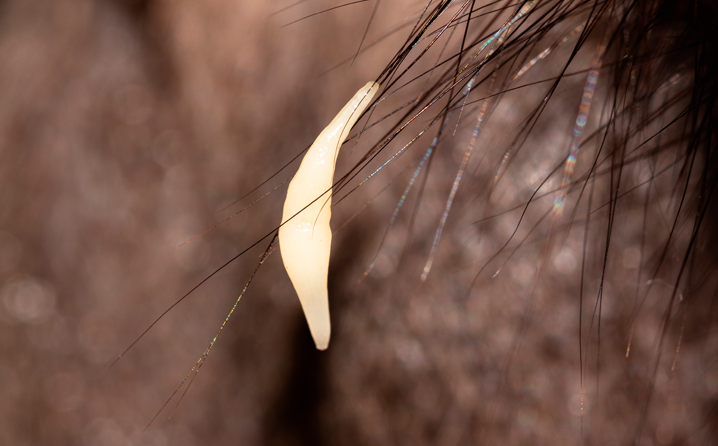
Flea Worm: A Threat to Your Pets’ Health
Flea worms are more than just simple pests; they can cause serious health problems in dogs and cats. Understanding this threat is crucial to ensuring the health and well-being of our furry friends.
How Flea Worms Affect Dogs’ Health
Imagine a world where invisible yet lethal creatures haunt our pets. Such are flea worms, tiny parasites that settle in dogs, triggering a series of health issues that can be devastating. These worms not only feed on our pets’ blood but also carry a range of diseases that can deeply compromise the well-being of our four-legged friends.
Direct Impact on Health
When a dog is infested with flea worms, it suffers not only from intense itching and discomfort. Animals may experience weight loss, anemia, and in extreme cases, even death. As the worms multiply, the dog’s health deteriorates alarmingly, leading to a series of complications. The stress generated by the infestation can be equally harmful, causing apathy and sadness in pets.
Recognizing Symptoms
As guardians, it is essential to be attentive to the signs our dogs send us. Symptoms such as the presence of fleas on the skin, excessive scratching, and red spots can indicate a growing infestation. Additionally, the presence of flea feces, resembling grains of sand or pepper, is a clear indication that the animal’s health is at risk. The impact of flea worms is not limited to physical aspects; the emotional well-being of the dog is also compromised. As we delve deeper into this issue, it becomes clear that flea worms pose a significant threat to dogs’ health, which can be prevented with proper care.
Common Symptoms in Infected Cats
Nature is a dance between predation and vulnerability, and on this grand stage, cats stand out as majestic predators. However, when an inevitable enemy infiltrates their lives—the flea worm—the harmony can be broken, resulting in suffering that many guardians may not notice at first glance. The impact on the lives of our feline friends is profound, as flea worm infestations can trigger a series of alarming symptoms.
Visible Signs
One of the first signs of a flea worm infestation in cats is often incessant scratching. These tiny parasites feed on the animal’s blood, causing intense discomfort. Those who observe their cats scratching constantly should be especially vigilant, as this action can lead to skin injuries, a situation that not only causes pain but can also predispose the cat to secondary infections. In addition to scratching, weight loss is also common. As the worms feed, the cat may begin to lose weight significantly, even while eating normally. Lethargy, another concerning symptom, becomes evident. The kitten that once ran and played may become apathetic, preferring to hide in dark corners of the house.
The Importance of Observation
Another indicator of problems is changes in the cat’s coat. A dull or rough coat can be a sign that the feline’s health is being compromised. In more severe cases, the presence of worms can lead to anemia, which appears as pale gums. Recognizing these symptoms is essential, as early detection can determine the course of treatment. Thus, a keen eye on the cat’s behavior is not just advisable but necessary to ensure its well-being. By discovering these manifestations, guardians can embark on a safer and healthier path, in the next chapter, towards prevention and treatment methods against these malevolent intruders.
Prevention and Treatment Methods
The battle against flea worms is not limited to treatment. In fact, true victory lies in prevention. This insidious infestation, which threatens the health of our loyal companions, can be avoided through measures that ensure a safe and healthy environment. By understanding best practices, we arm ourselves with the necessary knowledge to protect our beloved pets.
Safe Environment and Regular Cleaning
One of the pillars of prevention is a clean environment. This involves frequent cleaning where your pets reside, including washing beds, blankets, and any fabric they touch. This way, flea larvae, which can be extremely difficult to detect, have less chance of establishing themselves. This, in turn, reduces the likelihood of an infestation developing, allowing your dogs or cats to enjoy a refreshing and safe home.
Regular Veterinary Visits
Moreover, regular veterinary care is essential for prevention. Frequent check-ups can help in the early detection of flea worm infections. The veterinarian can also recommend appropriate and safe treatment programs. These treatments can be tailored to the individual needs of each animal, ensuring they remain protected. Therefore, collaboration with a professional is crucial.
In summary, by integrating cleaning practices and veterinary care, we help protect our furry friends from an uncertain and compromised future. This way, we prepare for the next discussion about the impact these worms can have not only on our animals but also on us, humans. In this way, education and awareness become powerful tools in the fight against flea worms.
Impact on Humans and Other Species
The presence of flea worms, although often unnoticed, poses a serious challenge to the health of not only our beloved pets but also humans and other species around us. Intriguingly, these parasites can trigger a series of reactions that affect both fauna and flora in our ecosystem. By infesting an animal, they are not only consuming nutrients but also establishing a transmission cycle that can be devastating.
Consequences for Animals and Humans
A flea worm infection can cause the animal symptoms ranging from skin irritation to immune system compromise. This, in turn, creates a favorable environment for other diseases. But this relationship is not limited to animals: by coming into contact with feces or bodily fluids, humans can contract organized parasitic diseases. Additionally, the presence of flea worms can lead to the transmission of diseases such as toxocariasis, causing serious health problems in children and adults.
Impact on the Ecosystem
Irremediably, flea worms also impact local biodiversity. The survival of various predatory species that depend on infested animals is affected, creating a domino effect that can alter the food chain. The interaction between these organisms highlights how a tiny worm can entangle itself in the complex web of life. The connection between all creatures, from the smallest insect to humans, reflects the intricate nature we need to respect. Therefore, controlling the flea population is vital for the protection of all beings with whom we share this planet. In all aspects, the health of animals and ours is intertwined, and vigilance is essential.
With this, we address how flea worms affect not only our pets but the entire ecosystem. Now, we will examine the vital importance of veterinary consultation for maintaining health and preventing infestations in our beloved animals.
The Importance of Veterinary Consultation
The health of our pets is not just a matter of affection but also of responsibility. Agile, the flea worm emerges from the shadows, waiting for the ideal opportunity to strike. Therefore, veterinary consultation should be an essential part of the pet care routine.
Prevention and Early Diagnosis
Regular visits to the veterinarian are crucial for early detection of any signs of infection, including the presence of flea worms. The veterinarian is equipped to provide examinations and diagnoses that can be indispensable for the physical and mental health of the animal. Consequently, this practice helps keep pets healthy in times of risk. Furthermore, the consultation allows for preventive examinations and vaccination routines. Thus, protection is not limited to flea infestations but encompasses a range of diseases that can threaten the lives of animals. It is interesting to note that each breed may have predispositions to different diseases, and an experienced veterinarian can guide on this.
Guidance and Specific Care
During a visit to the veterinarian, the guardian can also receive guidance on nutrition, behaviors, and home care. Prevention against fleas, for example, can be discussed in a more data-driven manner specific to the pet. This helps build a safe and healthy environment, minimizing risks that go beyond flea worms. Therefore, veterinary consultation becomes an essential pillar in the pursuit of a healthy animal. Finally, while veterinary consultation should be a regular commitment, it is vital to note that this care affects not only the pet’s health but the harmony of the entire home. Now, as we turn to the characteristics of the frigatebird, let’s explore another fascinating aspect of nature.
Conclusions…
The flea worm is a legitimate concern for the health of pets. By maintaining preventive practices and being attentive to symptoms, owners can protect their pets from infections and ensure a healthy life. Regular veterinary consultation and the use of appropriate treatments are essential for the well-being of animals. Always stay informed and make your home a safe environment for your furry friend.
Did You Know?
What is the flea worm?
The flea worm is a parasite that can infect dogs and cats, causing various health problems.
What symptoms might my pets show?
Symptoms include intense itching, weight loss, anemia, and in more severe cases, intestinal infections.
How can I prevent infestations?
Maintain hygiene in the environment, use preventatives recommended by the veterinarian, and have regular check-ups.
What is the treatment for infected dogs and cats?
Treatment typically includes antiparasitics and, depending on severity, additional veterinary care.
Are flea worms dangerous to humans?
Yes, under certain circumstances, flea worms can affect humans, especially children.
How often should I check my pet?
Regular checks are recommended at least once a month and whenever you notice symptoms of infestation.
What else can be done to protect my pet?
In addition to preventatives, maintaining a clean environment and conducting regular examinations helps protect your friend.
Is it safe to use home remedies against flea worms?
While some home remedies may help, it is always best to consult a veterinarian to ensure efficacy and safety.