The Fascinating World of Oulema melanopus: The Cereal-Eating Beetle
Understanding the life of Oulema melanopus, a beetle that feeds on cereals and uses feces as defense, is fascinating. Its adaptation to the environment makes it an excellent example of the interaction between species and their survival strategies.
The Lifestyle of Oulema melanopus
In the vast expanses of the prairies, where the wind caresses the leaves, lives the intriguing Oulema melanopus. This beetle, although small, plays a monumental role in its ecosystem. Part of its uniqueness lies in its dietary choices, which directly impact cereal crops and, consequently, the lives of farmers. Here, therefore, begins the fascinating exploration of the lifestyle of this magnificent insect.
The Diet of Oulema melanopus
Oulema melanopus is a true gourmet of the insect world, predominantly feeding on grasses. These beetles seek out the tender leaves of plants, where they delight in chlorophyll while simultaneously extracting the essential nutrients that ensure their survival. Thus, by feeding, they not only sustain their lives but also affect the growth of plants. By removing part of the leaf, they reduce the photosynthetic capacity of the plant, which can hinder its long-term development. Therefore, it is easy to see how their dietary choices shape the environment around them.
Interactions with the Habitat
In addition to influencing plant growth, Oulema melanopus interacts intriguingly with other inhabitants of its habitat. Its presence can attract larger trees that, in turn, will be more susceptible to predators. Note that this intricate web of relationships enriches local biodiversity. Thus, Oulema melanopus is not just a consumer but an essential actor that sustains a delicate ecological balance. Through its actions, it reinforces the value of preserving natural habitats, much like what we observe in various other insect species that interact with plants and animals.
In conclusion, Oulema melanopus proves to be more than just a simple cereal-eating beetle. Its dietary choices and interactions not only shape its own lifestyle but also the dynamics of the ecosystem in which it resides, creating a cycle of dependence and influence that intertwines with the lives of many other living beings.
How Feces Become a Weapon
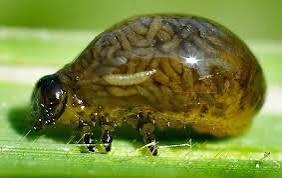
In a world where survival depends on ingenious strategies, Oulema melanopus, the cereal-eating beetle, exhibits a fascinating behavior: accumulating its own feces as a form of defense. This practice, although strange at first glance, reveals a sophisticated mechanism to protect itself from voracious predators seeking their prey.
The Natural Defense
Oulema melanopus, with its small and delicate forms, perceives the constant risk that surrounds it. By covering itself with its feces, it creates a layer that not only disguises its odor but also confuses and repels many of its predators. This strategy, which may seem repulsive, is, in fact, a masterpiece of evolutionary adaptation.
Predators, such as birds and larger insects, often have difficulty detecting Oulema melanopus under this fecal armor. This tactic not only protects the beetle but also affects the dynamics of its environment, influencing who becomes its predator and who survives in the food cycle.
The Influence on Survival
Besides serving as a bastion of defense, the accumulation of feces provides an advantage in environments where feeding and competition are fierce. This behavior helps Oulema melanopus thrive in cereal fields, where predatory pressure can be intense. The effectiveness of this defense strategy is a testament to the innate wisdom of Oulema melanopus in negotiating its survival.
As we follow the fascinating path of Oulema melanopus, we are led to question the complex interactions that shape the ecosystem around it. Understanding this remarkable adaptation prepares us to explore the impacts this beetle has on agriculture and ecology, revealing an interconnected world where every action has consequences.
Impacts on Agriculture and Ecology
As we explore the fascinating world of Oulema melanopus, we find an insect that, although small, exerts a disproportionate influence on agriculture and ecology. This cereal-eating beetle, with its remarkable ability to adapt and proliferate, is both a remedy and a pest in the fields. To understand its true impact, we must consider both the positive and negative aspects of its presence.
Negative Effects on Agriculture
In the vast expanses of cereal fields, Oulema melanopus becomes a formidable enemy. Its larvae and adults feed on young leaves, causing significant defoliation. For this reason, crop productivity can be drastically reduced. However, the resistance developed by some agricultural methods to this beetle presents additional problems, as it leads to excessive pesticide use, creating a vicious cycle of chemical dependency. Moreover, this practice results in adverse impacts on local biodiversity, affecting other beneficial species that cohabit agricultural ecosystems.
Positive Contributions
Despite its devastating effects, Oulema melanopus is not a completely negative force in nature. Its presence, under certain circumstances, can act as a natural control against weeds or secondary pests. Furthermore, the biodiversity resulting from the interactions present in cultivated fields promotes a more resilient ecosystem. This leads us to reflect on the need to balance control methods with practices that favor coexistence. Thus, it is essential to find a balance between crop protection and the preservation of the ecological health of the environment. In this dynamic scenario, future agricultural management practices will need to carefully consider the lessons that Oulema melanopus teaches us.
After uncovering the impact of Oulema melanopus on crops, we will delve into its fascinating life journey. We will understand how this beetle reproduces, ensuring the continuity of its species and its surprising adaptability in the face of environmental challenges.
Life Cycle and Reproduction
Imagine, for a moment, the intriguing life cycle of Oulema melanopus, the cereal-eating beetle. From a small egg to the adult phase, each stage is marked by surprising challenges and extraordinary adaptations. As we follow its journey, we are invited to explore the mysteries of evolution and the struggle for survival.
From Eggs to Larvae
The cycle begins when the female lays her eggs on the leaves of cereal plants, a strategic location that offers protection and food. These eggs are small and delicate, making them vulnerable to predators. After a few days, the eggs hatch, giving rise to hungry larvae that quickly set about devouring the foliage. These larvae, however, face immense dangers, such as parasites and adverse climatic conditions, which can swiftly cut their lives short.
Transformation and Challenges
As the larvae feed and grow, they undergo several molts, a fascinating process of transformation. Finally, in search of safe shelter, they burrow into the soil, where they prepare for the pupal phase. This phase is crucial, as it is during this transition that the beetles are formed. However, even at this stage, natural enemies, such as birds and other insects, make their future uncertain.
When metamorphosis is complete, Oulema melanopus emerges as an adult beetle, ready to start the cycle again. Already in the adult phase, it faces various challenges, from searching for food to reproduction, which will be the subject of the next chapter. Thus, the story of this small insect reminds us of the complexity of life on our planet.
Conservation and Ecological Importance
The forests and fields vibrate with life, where each creature plays a fundamental role in the complex web of nature. Among these countless forms of life, Oulema melanopus, the cereal-eating beetle, stands out not only for its peculiarity but also for its undeniable ecological importance.
The Web of Life and the Role of Oulema melanopus
This tiny insect, often overlooked, is a crucial link in the cycle of life. It acts as a herbivore, consuming cereal plants and thus influencing the dynamics of plant populations. Oulema melanopus, by feeding, promotes the regulation of these crops, an act that, although small, has a significant impact. It not only ensures the health of the ecosystem but also directly affects agriculture, a pillar of human subsistence.
Conservation and the Need for Understanding
Our understanding of Oulema melanopus must be broadened, as its preservation is vital for maintaining ecological balance. Every organism, no matter how small, has its role to play, and the extinction of any of them can result in harmful cascading effects on biodiversity. Therefore, conserving this beetle is also protecting an entire network of ecological interactions. Educational and research initiatives about this little giant are not just sensible practices but essential for the harmonization of our environment.
Thus, as we explore the fascinating world of Oulema melanopus, we must remember the fragility of the life that surrounds us and the importance of every being within this complex orchestra of nature.
Conclusions…
Oulema melanopus teaches us about adaptation and survival in the animal kingdom. Its strategies, such as using feces to ward off predators, demonstrate an incredible capacity for adaptation to environmental challenges. By exploring the life of this insect, we find not only an example of resilience but a rich story of ecological interactions that shape the world of insects. It is essential to understand and value these small beings that play significant roles in our ecosystems.
Did You Know?
What is Oulema melanopus?
Oulema melanopus is a beetle that feeds on cereals, known for its behavior of accumulating feces to protect itself from predators.
How does Oulema melanopus defend itself from predators?
This beetle uses its feces as a defense method, scaring potential predators with the unpleasant odor.
What are the main characteristics of Oulema melanopus?
Oulema melanopus is characterized by its metallic green coloration, small size, and habit of feeding on cereal leaves.
Where is Oulema melanopus found?
This beetle is common in fields and agricultural areas where cereals, such as wheat and barley, are available.
What is the impact of Oulema melanopus on agriculture?
Although it is a cereal eater that can damage crops, its defense strategies are fascinating from an ecological standpoint.
Is Oulema melanopus dangerous to humans?
No, Oulema melanopus is not dangerous to humans, as its defenses do not pose any direct threat to human beings.
What is the life cycle of Oulema melanopus?
The life cycle of Oulema melanopus involves stages of egg, larva, pupa, and adult, with each phase undergoing significant transformations.
What can we learn from Oulema melanopus?
We can learn about adaptation, survival, and ecological interactions, as well as the importance of small beings in maintaining the ecosystem.