
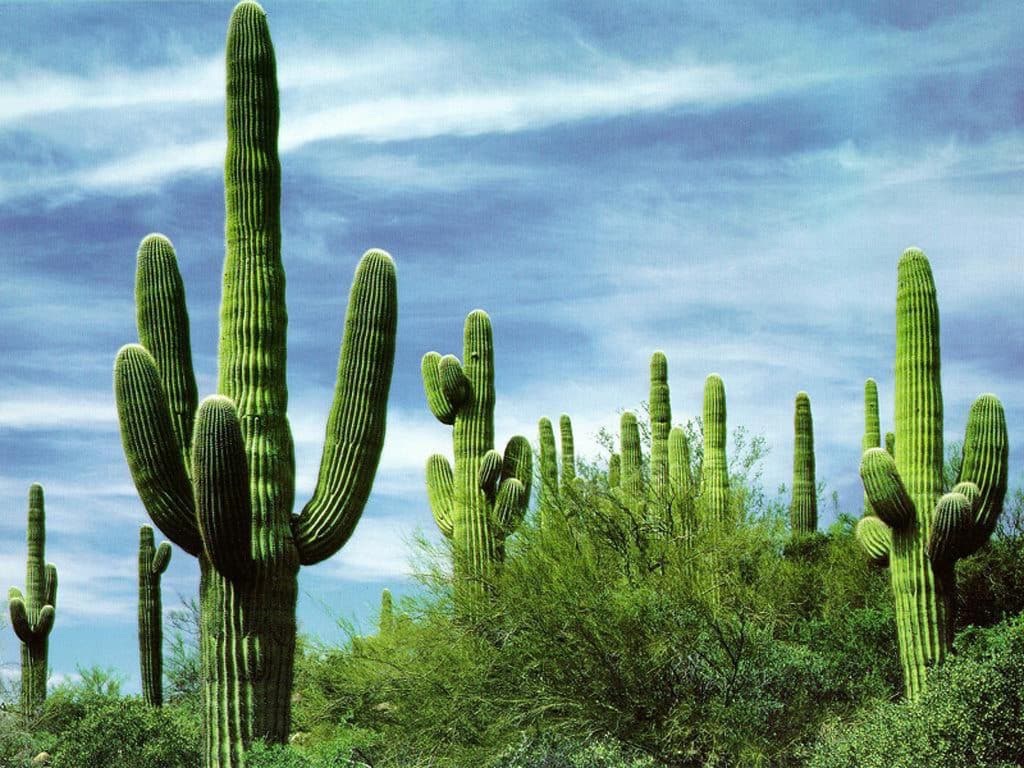
Cactus: The Resilient Plants of the Xerophytic World
Cacti are fascinating plants that inhabit arid and challenging environments. In this article, you will get to know these incredible species and their peculiarities.
The Diversity of Cacti
Imagine a world where resistance to aridity and water scarcity shapes the life of a plant. This is the fascinating universe of cacti, which, with their intriguing shapes and vibrant colors, reveal a surprising side of nature. Within this ecosystem, the diversity of cacti is vast, and each species brings with it a unique set of adaptations.
Popular Species
Among the hundreds of species, some stand out for their popularity and beauty. The Schlumbergera, or Christmas cactus, enchants with its lush flowers, bringing joy to winter. Meanwhile, the Echinopsis, a favorite among collectors, displays incredible buds that bloom spectacularly at night. Each of these species has characteristics that make it appealing not only to gardeners but also to the ecosystems they belong to.
Specificities of Exotic Cacti
On the other hand, lesser-known species, such as the Cerocactus, reveal surprising secrets. Adapted to extreme climates, these plants have sharp spines that protect their precious interior from herbivory. Similarly, the Pachycereus can store water in its thick stems, allowing it to thrive in arid lands. Such adaptations are essential for survival in their natural habitat, where competition for resources is fierce.
Thus, this world of cacti is not only a testament to adaptation but also a celebration of the diversity of life. Now, as we delve into the essential care needed to cultivate these fascinating creatures, we will understand how replicating the conditions of their natural environment is crucial for their healthy growth.
Essential Care for Growing Cacti
As we explore the wonderful world of cacti, it becomes crucial to understand the conditions necessary to successfully cultivate them. These unique beings, so adapted to aridity and water scarcity, reveal a beauty that requires specific care to thrive in domestic environments. Thus, we dive into the nuances of proper cultivation of these miniature deserts.
Light: The Vital Nutrient
Cacti, as traditional desert inhabitants, thrive in abundant light. Therefore, it is essential that they receive direct sunlight for at least six hours a day. A location near a sunny window is ideal. Furthermore, while light is vital, excessive care can lead to leaf burns; thus, cultivation must be done with attention to the environment.
Water: A Delicate Balance
When it comes to irrigation, the mantra boils down to ‘less is more.’ During the growing season, which typically extends from spring to summer, it is appropriate to water them every two weeks. In winter, the frequency of watering should be reduced to avoid root rot. This wisdom is similar to that observed in other plants that thrive in arid conditions, where every drop counts in a fragile ecosystem.
In addition to light and water, choosing the right soil, rich in nutrients and well-drained, is essential. The soil should allow water to flow quickly, preventing the roots from becoming waterlogged. Fertilization should be done moderately, using a balanced fertilizer during spring.
In summary, keeping cacti happy requires a careful balance between light, water, and nutrients. With these care tips in mind, it is possible to cultivate these resilient plants that, in return, gift us with their strength and beauty. By learning to care for cacti, we also connect deeply with nature, paving the way for the next exploration: the rich presence of cacti in popular culture.
Cacti in Popular Culture
As we delve into the visual influence of cacti, we are quickly captivated by the versatility and beauty of these plants. Cacti, with their unique shapes and impressive adaptations, represent much more than just xerophytic flora. They are icons of resilience and uniqueness, celebrated in various cultural expressions around the world.
The Aesthetics of Cacti
Cacti have been widely explored in art and decoration, becoming symbols of a modern and minimalist aesthetic. In many homes and artists’ studios, earthy color palettes and natural textures are revitalized by these stunning plants. It is no surprise that cacti have inspired countless interior designers, becoming protagonists in arrangements that balance elegance and rusticity.
Cultural Symbolism and Meaning
Beyond their beauty, cacti carry deep meanings in various cultures. For example, in some Native American traditions, they symbolize resilience and the ability to survive in adverse conditions. Their presence in rituals and decorations is a testament to what they represent—strength, protection, and renewal.
Thus, from contemporary design to traditional art, cacti fascinate and inspire a vast array of creative expressions. As we continue our journey, it is essential to remember that, despite their durability, these plants also harbor intrinsic stories and meanings that intertwine with the human experience. And so, we can prepare to dive into intriguing curiosities about cacti, where we will discover even more about their remarkable resilience.
Curiosities about Cacti
Imagine a plant that not only survives but thrives in adverse conditions, challenging the very essence of nature. Cacti, with their unusual shapes and extraordinary adaptations, are true icons of the xerophytic world. In this chapter, we will explore some fascinating curiosities that make these plant organisms truly unique.
The Longevity of Cacti
Many may be surprised to learn that some cacti have the impressive ability to live up to 200 years. The remarkable Saguaro Cactus, for example, can become a living monument in deserts, accumulating growth rings similar to those of trees. However, their longevity is not just a biological feat; it also reveals the resilience of these plants in hostile environments. While many organisms succumb to adversities, cacti adopt innovative strategies to collect and retain water, allowing them to flourish even in arid climates.
Natural Innovations
In addition to their long-lasting resilience, cacti possess curious adaptations. Their spines, which emit an exotic beauty, are actually modified leaves. This occurs to minimize water loss, reducing evaporation, a masterful tactic that ensures their survival. Moreover, some species have flowers that open at night, utilizing pollination by bats, a phenomenon as intriguing as it is fascinating. These adaptations highlight how cacti have perfectly integrated into their ecology, in harmony with the desert.
As we delve into the nuances of this intriguing flora, we realize that every detail tells a story of adaptation and resilience. Now, let’s transition to the next chapter, where we will explore how you can start your own cactus collection, bringing a piece of this fascinating resilience into your home.
Starting Your Cactus Collection
Entering the world of cacti is like discovering a vibrant universe that flourishes amidst adversity. These plants, with their exotic shapes and remarkable resilience, capture the imagination of many. However, before nurturing your passion for these desert inhabitants, it is crucial to establish a solid foundation for your collection.
Where to Buy and Choose Cacti
Initially, choosing where to acquire your cacti is essential. Specialty stores for succulent plants often have a diverse selection, ranging from the most common to rare varieties. Additionally, plant fairs and local markets can be great sources. When selecting, observe not only the appearance but also the health of the plant. Well-cared-for cacti will display vibrant colors and healthy spines.
Caring for Your New Collection
After acquiring your plants, the next step is care. First, remember that light is vital. Place your cacti in a location that receives direct sunlight. However, avoid excessive exposure during the hottest months. Irrigation is another crucial point; cacti need less water than other plants. Therefore, water only when the soil is completely dry. For more information on caring for specific species, it is interesting to visit articles on plant care. Lastly, remember that each species may have special needs, so always research each one individually. With these guidelines, you will be well on your way to creating an impressive cactus collection. As you delve into this new hobby, the beauty and diversity of cacti will enrich your life and provide a new understanding of nature’s resilience.
Conclusions…
Cacti are much more than mere desert plants; they are an example of adaptation and beauty found in hostile environments. Understanding their characteristics and necessary care is essential to fully appreciate them. Whether you are an enthusiast or a beginner in this universe, cultivating cacti can be a rewarding experience. Don’t forget to explore the various species and their uniqueness. They offer a touch of nature to your space, while requiring relatively simple care. Now, with the information provided in this article, you are ready to venture into the world of cacti and, who knows, add some of these unique plants to your collection.
Did You Know?
What are the most common types of cacti?
The most common types include the Bunny Ear Cactus, Saguaro, Garden Cactus, and the Ball Cactus.
How to care for a cactus at home?
Cacti need intense sunlight, sporadic watering, and well-drained soil.
Why are cacti drought-resistant?
They have adaptations such as water storage in their tissues and reduced foliage.
Can cacti bloom?
Yes, many cacti produce beautiful flowers, although they may not bloom if conditions are not ideal.
Are cacti toxic?
Most cacti are non-toxic, but some species may cause skin irritation.
How can I propagate cacti?
Propagation can be done through seeds or cuttings, depending on the species.
What is the best time to plant cacti?
Spring and summer are the best times to plant cacti when they are in active growth.
Is direct sunlight necessary for cacti?
Yes, cacti generally prefer direct sunlight to thrive and grow healthily.