
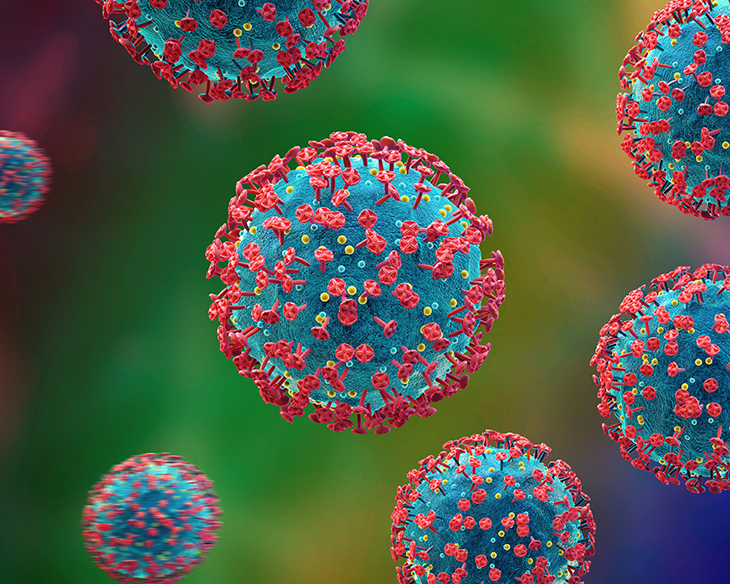
HIV Virus: Unveiling the Invisible Enemy
The HIV virus, the cause of AIDS, remains one of the greatest global health concerns. Explore how it affects the body and the reasons behind the absence of vaccines.
What is HIV and how does it affect the human body?
As every story has a beginning, this journey takes us into the depths of the tiny enemy that has challenged science and humanity, known as HIV. Much more than a simple virus, HIV is an intricate replication machine, silently infiltrating the human immune system, its disguise almost perfect.
Structure and Infiltration
HIV, or Human Immunodeficiency Virus, is an encapsulated retrovirus, possessing a core that houses its genetic material, RNA, instead of DNA. This invisible biological weapon focuses its forces on CD4+ T lymphocytes, which are key components of the immune system, acting as the generals commanding the battle against infections. After binding to the surface of these lymphocytes, HIV inserts its RNA, which is then converted into DNA by an enzyme called reverse transcriptase.
The myriad of biochemical processes that follow the entry of HIV into the lymphocyte results in the creation of new viral particles, released to infect other cells. Inevitably, this systematic cellular destruction culminates in the degradation of the body’s immune army.
Devastating Effects
Like a besieged army, the body begins to yield. With the loss of CD4+ T cells, the immune system becomes incapacitated to recognize and combat opportunistic infections. Progressively, diseases that are usually easily fought off by the body, such as the common cold, can become dangerous, while more severe diseases, like tuberculosis, emerge as deadly threats.
The presence of HIV not only alters the health landscape of the individual but also profoundly impacts society at various socioeconomic and cultural levels.
As we conclude our exploration of the complexity of HIV and its devastating consequences, we prepare to understand how our resilient and creative species has risen in the ongoing battle against this virus. In the next chapter, we will dive into the history and evolution of HIV, exploring the milestones that shaped the global response since its discovery.
The History and Evolution of HIV
As we previously explored the cunning nature of viruses, we now delve into the saga of HIV, one of the most mysterious challenges in contemporary virology. In 1981, the world watched in perplexity as an inexplicable syndrome attacked the immune system. It was only in 1983 that the enigma began to be unraveled with the identification of HIV, revolutionizing medical science.
Discovery and Awareness
The emergence of HIV/AIDS in the 1980s marked the beginning of a new era in global public health. Scientists from around the world joined forces, initially attributing the cause to specific behaviors, but quickly realized the magnitude of the problem. This silent virus crossed borders, revealing human vulnerability. Thus, education and awareness campaigns began to sprout, forever changing public perception of sexual health.
Global Impact and Scientific Advances
As the 20th century progressed, the epidemic transformed into a global crisis, driving remarkable progress in research and treatment of this debilitating condition. In the 1990s, the introduction of antiretroviral therapy (ART) transformed the fate of those infected, prolonging lives and drastically reducing mortality. Today, early treatment and adherence to ART allow for a relatively normal life for those living with the virus, representing a remarkable triumph of modern medicine.
To delve into the “Challenges in Vaccine Development” that we will examine in the next chapter, it is crucial to understand why, even after decades of intense research, an effective vaccine still eludes us. Perhaps the evolutionary characteristics of HIV hold some secret, akin to those of plants that evolved to appear harmless, only to surprise us with their disguised complexity. The journey to find a solution continues, demanding tenacity and innovation.
Challenges in Vaccine Development
Throughout the advances of modern medicine, the quest for an effective vaccine against HIV resembles one of the most complex challenges that biomedical science has ever faced. Imagine trying to capture a shadow that constantly changes shape. Such is the behavior of HIV, a virus notoriously skilled at escaping the grasp of human immunity.
Mutation Challenges
The vast genetic diversity of HIV represents a monumental obstacle. This small but formidable virus possesses an extraordinary capacity for mutation. With each replication, HIV undergoes changes in its genetic composition, rapidly transforming into something new. This mutation rate creates a myriad of variants, making it difficult for the human immune system and, by extension, scientists, to identify and neutralize targets effectively.
To illustrate, HIV mutations can be compared to the incredible process of mimicry in nature, as seen in some fascinating species of arthropods. Consider, for example, the chameleon in the animal kingdom that changes its colors to protect itself. HIV employs a similar strategy, constantly altering its genetic “costumes” to avoid destruction.
Scientific Obstacles
In addition to mutations, HIV attacks the T cells of our body, the guards of the immune system. This not only allows the virus to multiply but also hinders the creation of a sustainable immune response. Science, therefore, needs innovative strategies to create a vaccine that is effective against this ever-changing threat.
The journey to a vaccine is complex but not insurmountable. Each day, researchers around the world are getting closer to the goal, analyzing possibilities with a renewed fervor for human life. Thus, the future pages of this quest and the ongoing medical innovation promise new hopes for effective treatment against HIV.
Current Treatments and Advances in Therapy
Like an enchantingly complex puzzle of nature, scientists around the world have been slowly unraveling the secrets of HIV. Antiretroviral therapy (ART) has been the protagonist of current treatments, a miracle of modern medicine that allows individuals to live longer and healthier lives. Although it is not a cure, it interrupts the virus’s replication, thus preventing damage to the immune system.
The Pillars of Antiretroviral Therapy
When addressing HIV, ART acts as a conductor of a symphony, orchestrating a regimen of medications that work together. This reduces the viral load to undetectable levels. Through a combination of drugs, known as combination therapy, effective treatment minimizes the virus’s resistance. This is an essential element, as it prevents HIV from adapting and evolving in the face of medical strategies.
Still, adherence to treatment has become a crucial aspect. Maintaining strict medication regularity is imperative for success. With advances such as daily single-dose pills and long-acting monthly injections, administration becomes more accessible. For many, this change signifies a brighter future.
Research and Promising Advances
Science never rests, and the search for a definitive cure continues with renewed fervor. Researchers are exploring experimental vaccines and gene modification therapies. Advances in immunotherapy offer new hopes by potentially boosting the body’s natural defenses against HIV. Additionally, ongoing awareness and the development of treatments provide new resources for those living in hard-to-reach areas.
As we move forward to discuss the importance of prevention and public awareness strategies, it is essential to recognize that every step in HIV research and treatment not only improves lives but also brings humanity closer to a world where HIV will no longer be an untamed threat.
Prevention and Public Awareness
As the previous chapter introduced us to the mechanisms of HIV replication, our journey now leads us to the crossroads of prevention and public awareness. The invisible force called the HIV virus is more behavioral than molecular, and its suppression depends not only on medical advances but also on a profound social understanding.
Prevention Strategies
Prevention is vital and central in the fight against HIV. Methods such as consistent condom use are fundamental. However, their effectiveness depends on cultural understanding and accessibility. Besides providing direct protection, condoms serve as a symbol of responsibility, engaging communities in essential conversations about sexual health.
Simultaneously, pre-exposure prophylaxis (PrEP) becomes a pillar in protection. This medication, when taken appropriately, prevents HIV infection, offering an additional layer of security. Prevention strategies like these, while powerful, do not reach their potential in a vacuum. Education and awareness are essential to ensure that all tools are used effectively and where they are most needed.
Awareness and Access to Knowledge
Education is the bridge that connects knowledge to practice. It is vital to develop educational programs that reach from schools to community campaigns, adapting the message to the target audience. Information must be offered with cultural sensitivity, respecting diversities and local specificities. This creates an environment where dialogue is encouraged and shame is dissipated.
Moreover, knowledge must be democratized. Accessibility to accurate information about sexual health, treatment, and prevention can transform communities. Essentially, it is a shared journey. Does understanding the cycles of nature and their interdependence teach us something about our role in humanity? In another world, the power of herbs for immunity illuminates new paths of healing and group protection.
Finally, as we move to the next chapter, we will explore the personal and social impact of living with HIV, celebrating stories of resilience and adaptation.
Conclusions…
The study of HIV teaches us about the resilience of viruses and immunological complexity. Even after decades of research, the development of a vaccine remains a challenge due to its high mutation rates and ability to evade the immune system. We must continue investing in research and awareness to reduce infections and the eventual elimination of HIV. Global mobilization is necessary to face this ongoing challenge.
Did you know?
What is the HIV virus?
HIV is a retrovirus that affects the human immune system, leading to the development of AIDS if left untreated.
Why is there still no vaccine for HIV?
Due to the high mutation rate of HIV and its ability to hide from the immune system, developing an effective vaccine is complex.
How is HIV transmitted?
HIV is transmitted through bodily fluids such as blood, semen, and breast milk, usually through sexual contact or sharing needles.
What are the early symptoms of HIV?
Early symptoms of HIV may include fever, headache, skin rashes, and fatigue, similar to those of the flu.
What is the difference between HIV and AIDS?
HIV is the virus that causes AIDS; while AIDS is the advanced stage of HIV infection, where the immune system is severely damaged.
Are there effective treatments for HIV?
Yes, antiretroviral therapy (ART) can control HIV, allowing people to live long and healthy lives.
How does HIV mutation affect treatment?
HIV mutations can lead to drug resistance, making some treatments less effective.
What can be done to prevent HIV infection?
Using condoms, not sharing needles, and pre-exposure prophylaxis (PrEP) are effective prevention methods.