Dachshund: Discover the Fascinating History and Varieties of the Sausage Dog
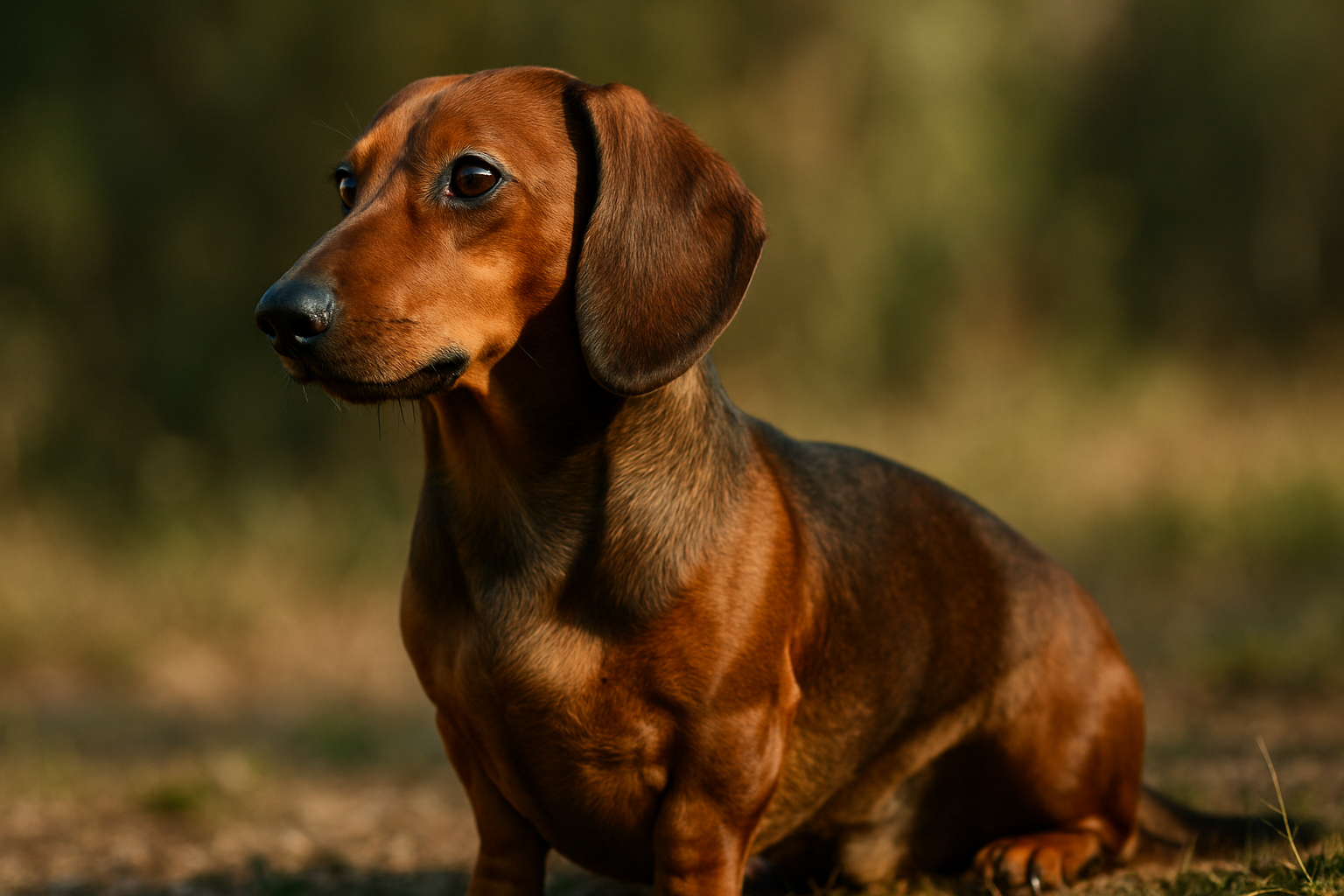
Originating from Germany, the Dachshund, popularly known as the sausage dog, stands out for its unique appearance and remarkable personality. Understanding its variations and characteristics is essential for anyone who appreciates this charming breed.
Origins and History of the Dachshund: From Hunter to Companion
As it transcends the simple bonds between humans and animals, the history of the Dachshund reveals a fascinating evolutionary journey. Originating in 15th-century Germany, Dachshunds were meticulously bred to hunt badgers. Their distinct physical traits, elongated body, and short legs, resulted from intentional genetic selection to facilitate crawling into narrow burrows. Because of their agility and determination, they quickly became indispensable allies to hunters.
Over time, the utility of Dachshunds was recognized beyond forests and fields. In the Victorian era, they gained popularity among families as pets, admired for their loyalty and affectionate nature. It was here that the term ‘sausage dog’ came to life, a playful nod to the Dachshund’s peculiar body shape.
In summary, the evolution of the Dachshund from a fervent burrow hunter to a beloved household companion is a testament to the complex relationship between humans and dogs. This transition not only reflects changes in human activities but also how we value and integrate these animals into our lives. The uniqueness of the Dachshund, captured in both art and history, marks a remarkable chapter in human cultural tapestry. In the next chapter, we’ll explore the size varieties of this breed, each suited to different lifestyles and needs.
Size Varieties: Standard, Miniature, and Kaninchen
As we delve deeper into the universe of these admirable companions, we encounter the size varieties of Dachshunds – Standard, Miniature, and Kaninchen – each with its unique traits and stories. Initially conceived for hunting, these acclaimed ‘sausage dogs’ present variations that transcend mere physical appearance, directly influencing their applications and dynamics with their owners.
The Standard Dachshund, known for its vigor and value in hunting larger animals like badgers, maintains admirable robustness. Typically, these dogs weigh between 16 to 33 pounds, with a build that reflects their former role in digging and confronting animals in their burrows. This version of the Dachshund is highly energetic and better suited to environments where they can exercise frequently.
Next, the Miniature, weighing less than 11 pounds, is perfect for hunting small animals and pests. Their agility and reduced size allow them to venture into smaller burrows, a reflection of their specialized skills adapted over the years. Their curious and vibrant personality makes them ideal companions for families and smaller living spaces.
Finally, the Kaninchen, whose German name means ‘rabbit’, was meticulously bred to hunt these specific animals. This even smaller dog often weighs less than the Miniatures and has characteristics perfectly suited for quick pursuits in confined spaces. The innate ability of this variety to track and capture small prey demonstrates exceptional adaptability and focus.
Often, potential owners are drawn to these varieties not only for their physical capabilities but also for their innate charm and adaptability to different lifestyles, something highlighted in the excellent companion varieties of the Dachshund. As we move to the next section, we will explore the intriguing diversity of coats that adorn these dogs, further contributing to the celebrated uniqueness of the breed.
Dachshund Coat Types: Smooth, Long, and Wirehaired
Exploring the unique characteristics of Dachshunds, we notice that beyond their elongated body and short legs, the variety in their coat types adds a distinctive charm to each specimen. The coat types are divided into smooth, long, and wirehaired, each with its aesthetic peculiarities and maintenance needs.
1. Smooth Coat: This is the most common among Dachshunds. Its smooth and shiny texture requires less grooming, making it ideal for owners who prefer a simpler care routine. Despite the ease of maintenance, regular baths are recommended to keep the coat healthy and glossy.
2. Long Coat: This type features long, silky hair that can form small waves, especially around the ears and lower parts of the body. The beauty of this variety requires more frequent brushing to avoid tangles and keep the coat shiny. Additionally, extra attention should be given during shedding periods.
3. Wirehaired Coat: Characterized by rough and thick hair, this coat offers a more rustic look. Caring for this type of coat involves a technique called ‘stripping’ (removal of dead hair), essential for maintaining the health of the coat and skin. Additionally, periodic brushing is necessary to minimize shedding.
The diversity of coats not only beautifies the breed but also serves as a decisive factor for owners based on their lifestyle and availability for care. Thus, the Dachshund wonderfully adapts to each animal lover’s preferences. With this information in mind, we are ready to understand how the resilient personality and affectionate character of the Dachshund manifest, paving the way for the next discussion on temperament and essential care for a healthy Dachshund.
Temperament and Essential Care for a Healthy Dachshund
As we explore the riches of the canine world, we encounter the Dachshund, a dog of incomparable qualities. Within these small and vigorous beings resides a courage that surpasses their stature. They are known for a temperament that encompasses bravery and devotion, but also a touch of stubbornness, which demands special attention from their caregivers.
Personality and Training
Dachshunds are unquestionably loyal to their owners, always ready to protect the home from intruders with a surprisingly powerful bark for their size. This protective instinct makes early training and socialization essential. Learning to trust strangers and socialize with other dogs can prevent aggressive or fearful behaviors. It is important, therefore, to instill discipline early on, with consistent training that channels their natural energy and independence positively.
Due to their elongated shape and short legs, Dachshunds are prone to back problems, such as herniated discs. This particularity requires strict weight control to avoid additional pressure on their spine and joints. Appropriate exercises that do not overly strain this unique structure are recommended, along with a balanced diet to prevent obesity, which is increasing among pets worldwide.
In short, caring for a Dachshund involves not only knowledge of their history and nature but also a commitment to maintaining their physical and emotional well-being. And as we remember what was discussed in animal health care, prevention is always the best way to ensure a long and healthy life for your companion. Get ready for the next chapter where we will explore more about the Dachshund in contemporary culture and provide useful tips for your daily life.
Dachshund Today: Tips, Fun Facts, and How to Care with Love
Coming from the historical journey of Dachshunds, we see today their vibrant presence in our lives. These adorable elongated dogs not only brighten our homes but have also firmly established themselves in popular culture.
The transformation of the Dachshund into a cultural symbol is evident, as their slender and unique figure has adorned everything from TV commercials to fashion prints. However, their friendly personality and playful nature make them more than just a familiar face in the entertainment world.
Essential Care for the Dachshund
Devoting yourself to the care of Dachshunds involves more than love; it requires specific knowledge about their unique needs. Due to their unique body structure, with a long back and short legs, special attention to their spine is crucial. Moderate exercise is recommended to keep them in shape without putting excessive pressure on their vertebrae.
Diet is also a topic that deserves our attention. A balanced diet, appropriate to their activity level and age, should be chosen. Regular veterinary check-ups are indispensable to maintain their well-being, as well as keeping up with vaccinations and preventive care against parasites.
Socialization and Affection
The Dachshund benefits immensely from early socialization. Therefore, exposing them to various environments, sounds, and people from a young age will help develop a balanced and sociable behavior. They are notoriously known for their strong emotional bond with their owners, which can lead to protective behavior that should be managed with positive and consistent training.
As we delve into the lives of contemporary Dachshunds, we not only learn about their care and temperament nuances but also rediscover our own connection with the natural world. Each day spent with a Dachshund is a window to renewed enthusiasm for life.
I invite you to explore more about the enchanting world of dogs by visiting our section on dogs and their toys, and I ask you to share your experiences and tips on caring for your Dachshunds. Comment, share, and contribute to our community passionate about fauna and flora.
Conclusions…
The Dachshund is a breed as fascinating as its multiple size and coat variations. From its origin in Germany to its international recognition, these dogs captivate with their striking appearance and vibrant personality. With options ranging from standard to miniature and kaninchen, as well as smooth, wirehaired, and long coats, the Dachshund presents a unique diversity that appeals to different types of owners. Additionally, understanding their physical characteristics and temperament is crucial to providing these animals with proper care and ensuring harmonious coexistence. Our commitment in exploring this breed is not only to inform but also to inspire a love for nature and its mysteries. Did you enjoy this post? Like, comment, and share so we can continue creating! Here, we reveal incredible details of fauna and flora, awakening the enchantment for the life that surrounds us.
Did You Know?
What is the origin of the Dachshund?
The Dachshund originates from Germany, where it was originally bred for badger hunting, hence the nickname sausage dog.
What are the size varieties of the Dachshund?
The breed has three size varieties: standard, miniature, and kaninchen (rabbit size).
What types of coats do Dachshunds have?
Dachshunds can have smooth, long, or wirehaired (dense) coats.
Why is the Dachshund called a sausage dog?
The nickname sausage dog comes from its long body and short legs, resembling the shape of a sausage.
Is the Dachshund suitable for apartments?
Yes, especially the smaller varieties like the miniature and kaninchen, adapt well to apartment living as long as they get regular exercise.
What is the temperament of the Dachshund?
They are usually brave, loyal, and playful but can also be stubborn and require consistent training.
What specific care does the Dachshund need due to its body?
Due to its elongated body, it’s important to avoid high jumps and obesity to prevent back problems.
Is the Dachshund in its own group in the FCI? Why?
Yes, due to its wide variety of sizes and coat types, the Dachshund is classified in a specific group by the FCI.